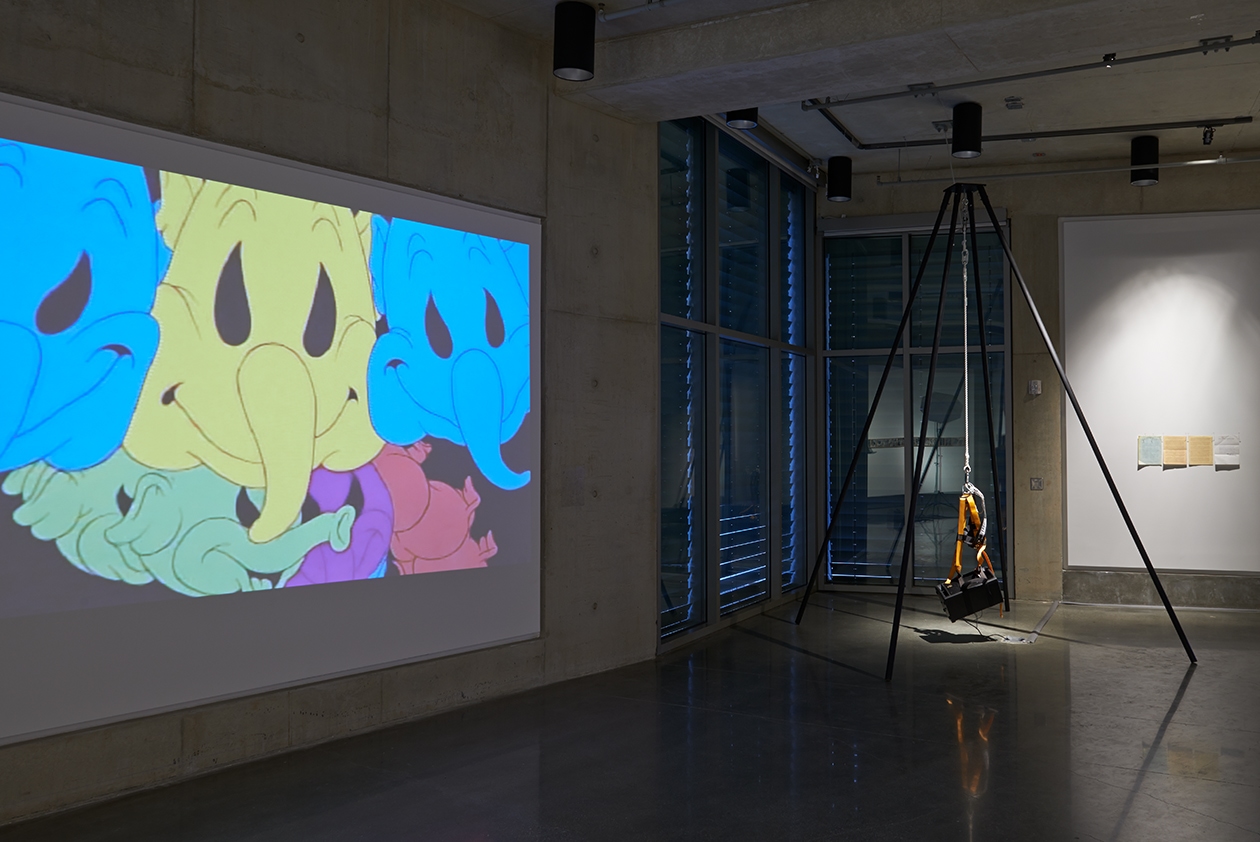
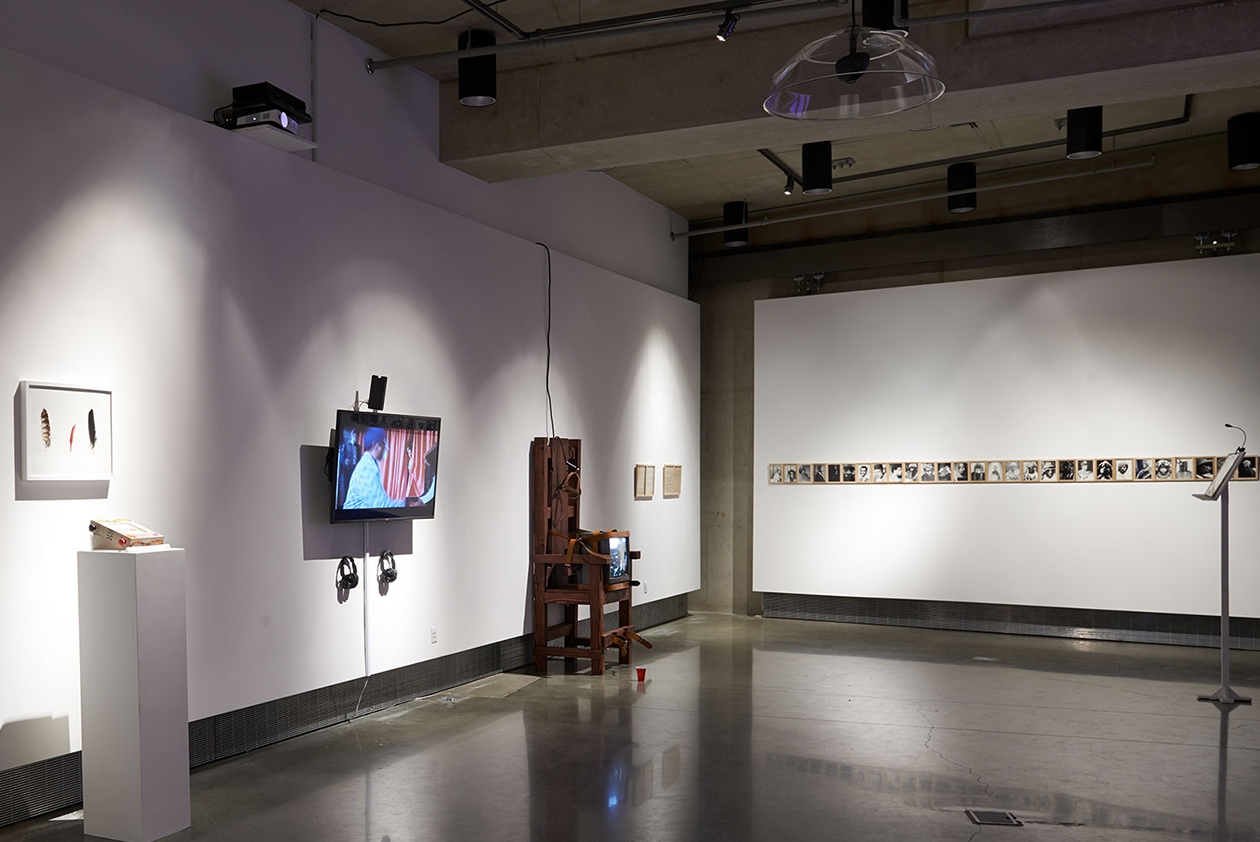
DumbSun (2014) was a solo exhibition curated at the SME Gallery at the University of California San Diego. It is a delirious cosmology exploring the relationship between Disney's Dumbo (1941) and jazz musician Herman Poole Blount, aka Sun Ra. The inception of this inquiry is track nine of Stay Awake: Various Interpretations of Music from Vintage Disney Films (1988), where Sun Ra and his Arkestra play "Pink Elephants on Parade," the delirious scene from Dumbo. "Pink Elephants on Parade" is a sequence described by scholars as "out of time" and can be seen as a shift from a logic of physical appearance to a logic of social relations.
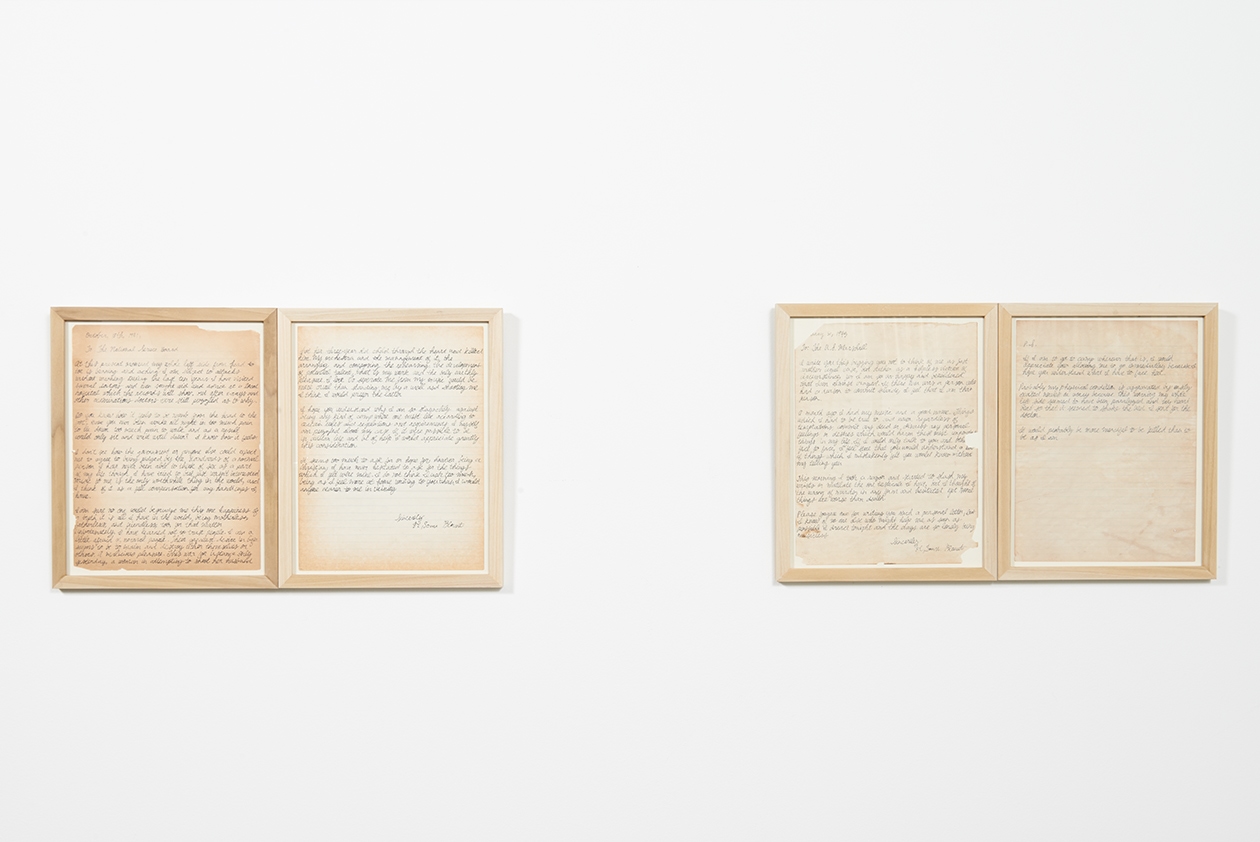
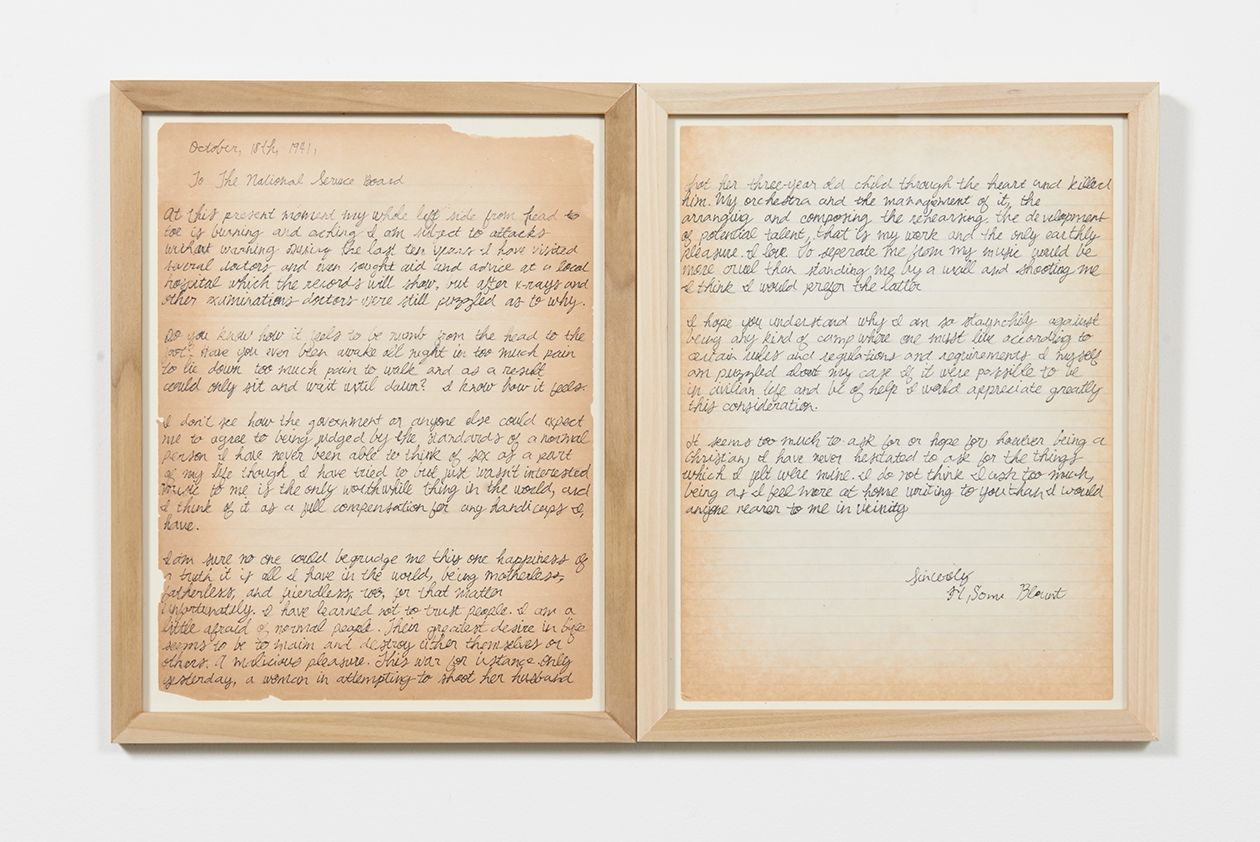
The exhibition argued that Disney and Sun Ra were not accidental affinities but structural ones, two figures whose biographies traced the same terrain of race, labor, and erasure in 20th-century American culture. The show materialized this through sculptures, meticulously made reproductions of lost artifacts, forged letters on period paper, and archival documents intermixed with musical, film, and textual residues, a speculative counter-history of the body and knowledge production in American popular culture.
The show was accompanied by a live theatrical score to various Sun Ra films from Los Angeles-based musician Ras G and a series of film screenings including Dumbo (Walt Disney Productions, 1941), Walt & El Grupo (Theodore Thomas, 2008), The Cry of Jazz (Edward Bland, 1959), and Space is the Place (John Coney, 1974).
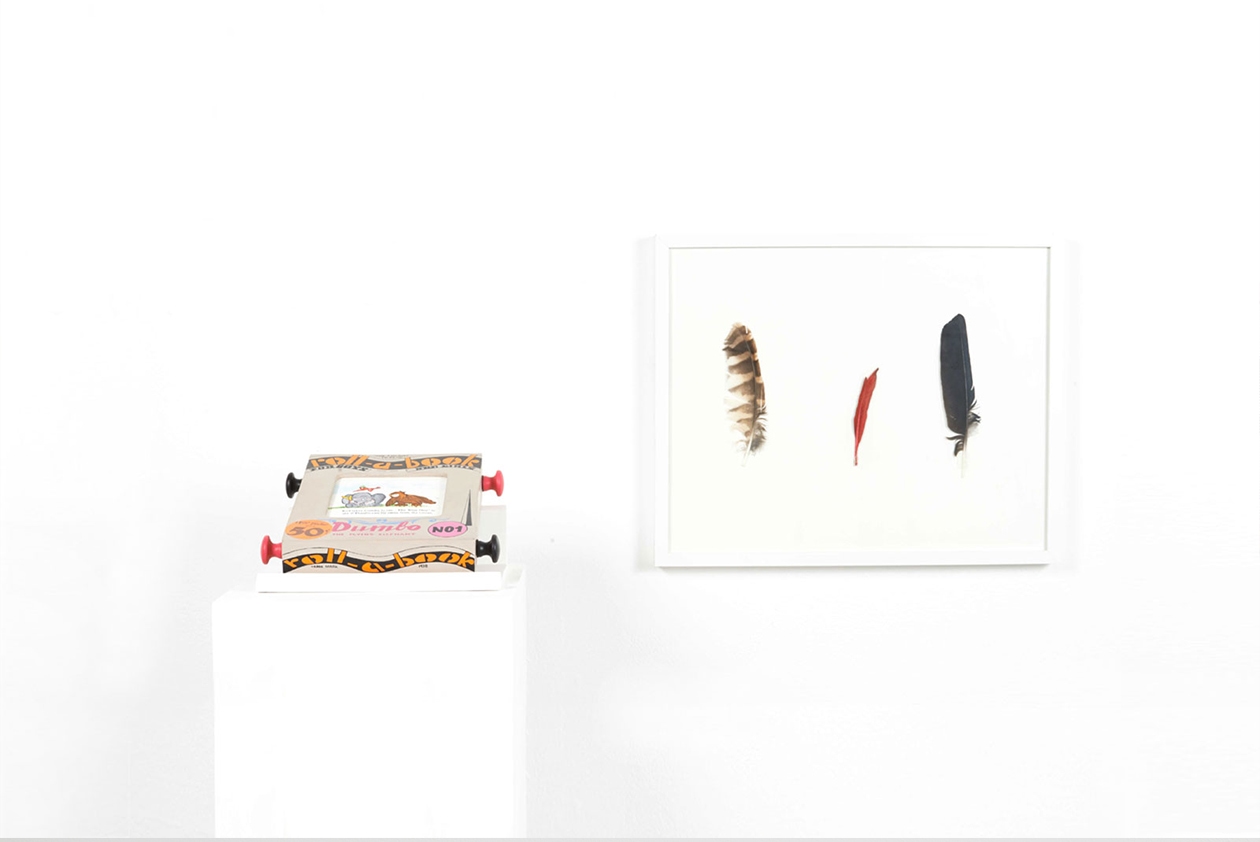
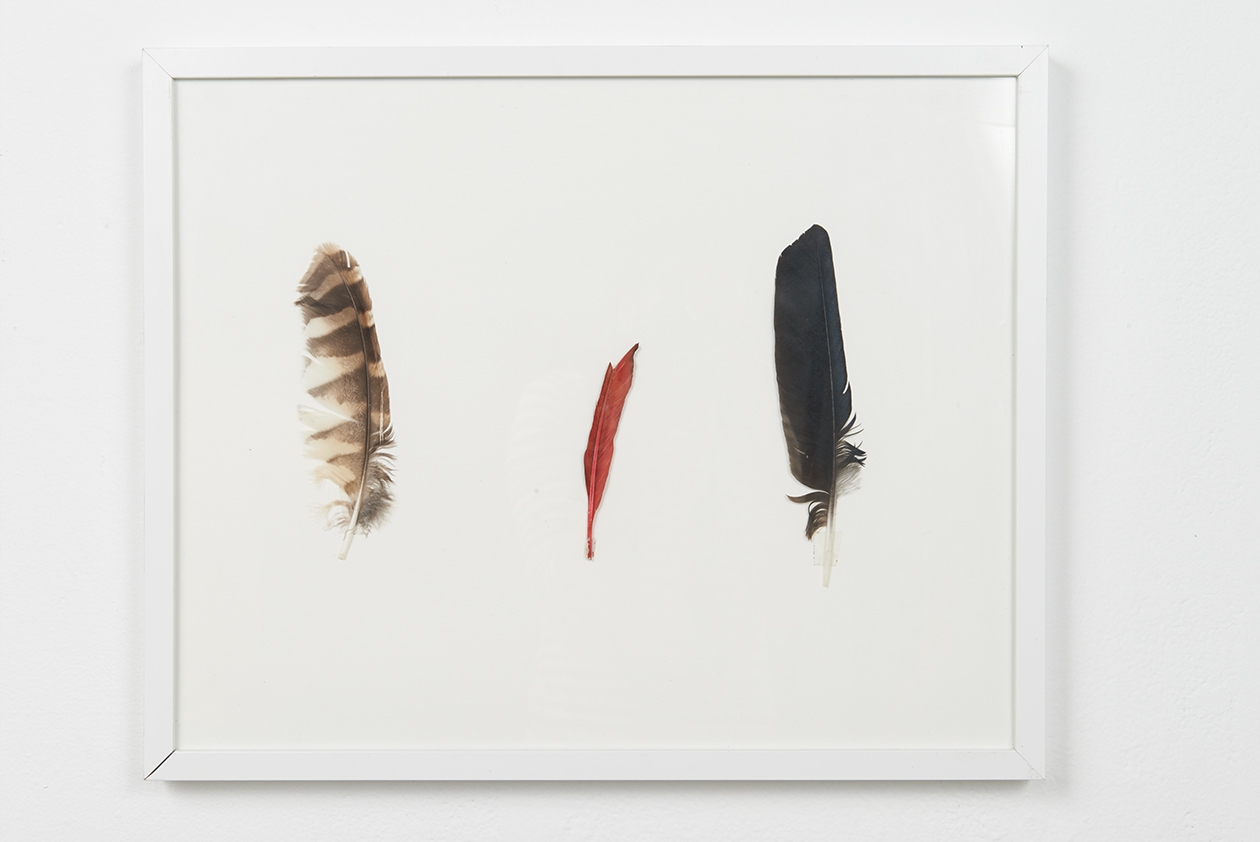
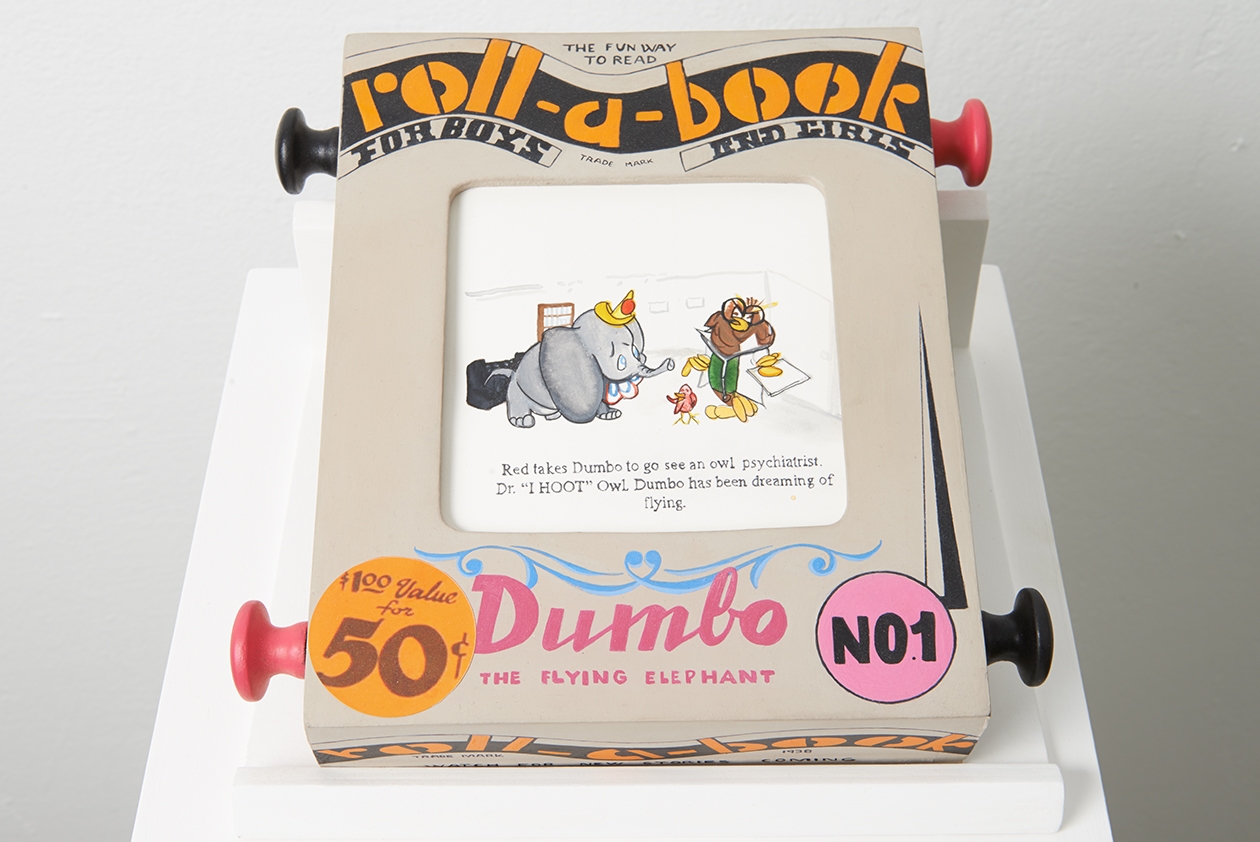
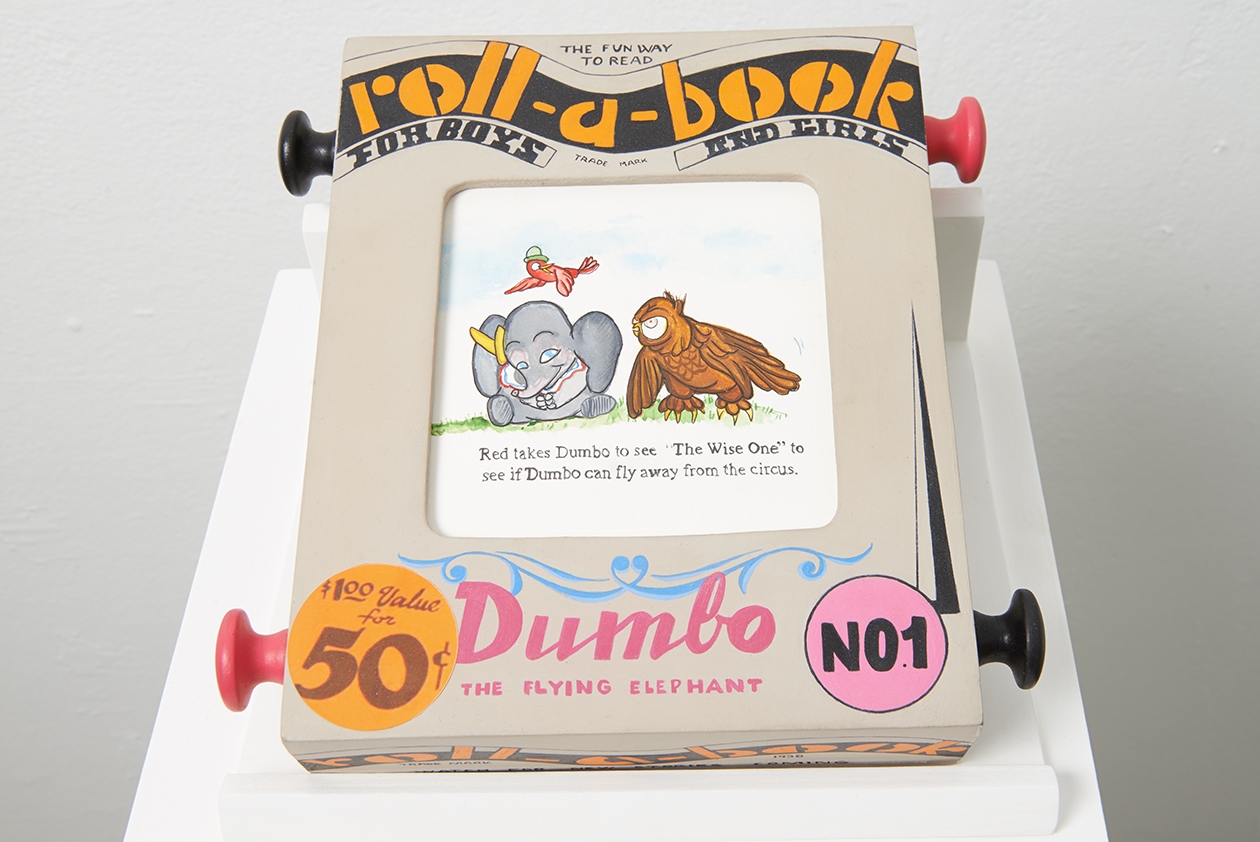
"Hal Willner commissioned Sun Ra and his Arkestra to play 'Pink Elephants on Parade' from Walt Disney Productions' Dumbo (1941) for the album Stay Awake: Various Interpretations of Music from Vintage Disney Films (1988). Having never seen Dumbo, Sun Ra immediately watched the film and felt an affinity with the main character due to his own embodied life experiences as Herman Poole Blount and being an outcast in the jazz community. Dumbo the Flying Elephant began as a story written by Helen Aberson and Harold Pearl for Roll-a-Book Publisher, Inc. The product of this partnership remains elusive to this day; no known copies exist. Right before the couple's divorce, Walt Disney bought the story's copyright and set out to make Dumbo, Disney's 'make or break' movie. Two characters were noticeably altered from the original: the owl from which Dumbo derives his aerial ability was changed from a shaman named 'The Wise One' to a psychiatrist, 'Dr. I. Hoot,' and his best friend, Red Robin, later became Timothy Mouse. While Dumbo was in production, Walt Disney was commissioned by President Franklin Roosevelt under the 'Good Neighbor Policy' to promote healthy relations with various South American countries. Walt and a team of artists traveled to Brazil, Peru, Argentina, and Chile. However, he left his newly purchased Burbank studios in the midst of an animator's strike, making Dumbo the shortest animated feature in Disney's catalogue due to the budget cuts made during its production. While Walt Disney was in South America, Sun Ra was in a prison camp for being a conscientious objector during WWII. Sun Ra's letters revealed his suicide attempts and self-mutilation due to not being able to make music. Herman Poole Blount was able to create his persona Sun Ra as most of his belongings, including his birth certificate and identification documents, were burned in a studio fire in Chicago. Find here a cosmos of specters." — Excerpt from exhibition text.
More Info:
Date: Feb 27th, 2014
Medium: Installation | Performative | Silk Screen | Sculpture | Video | Music | Mixed Media
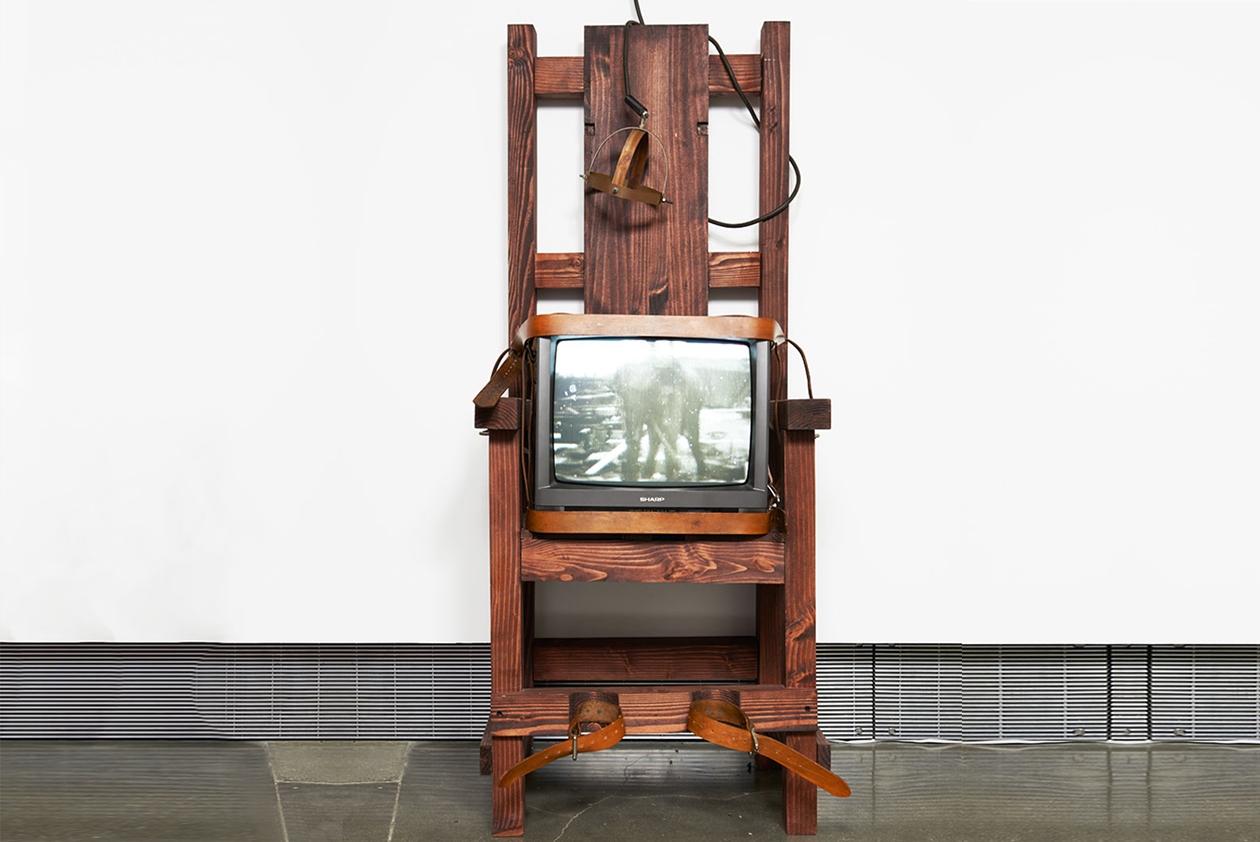
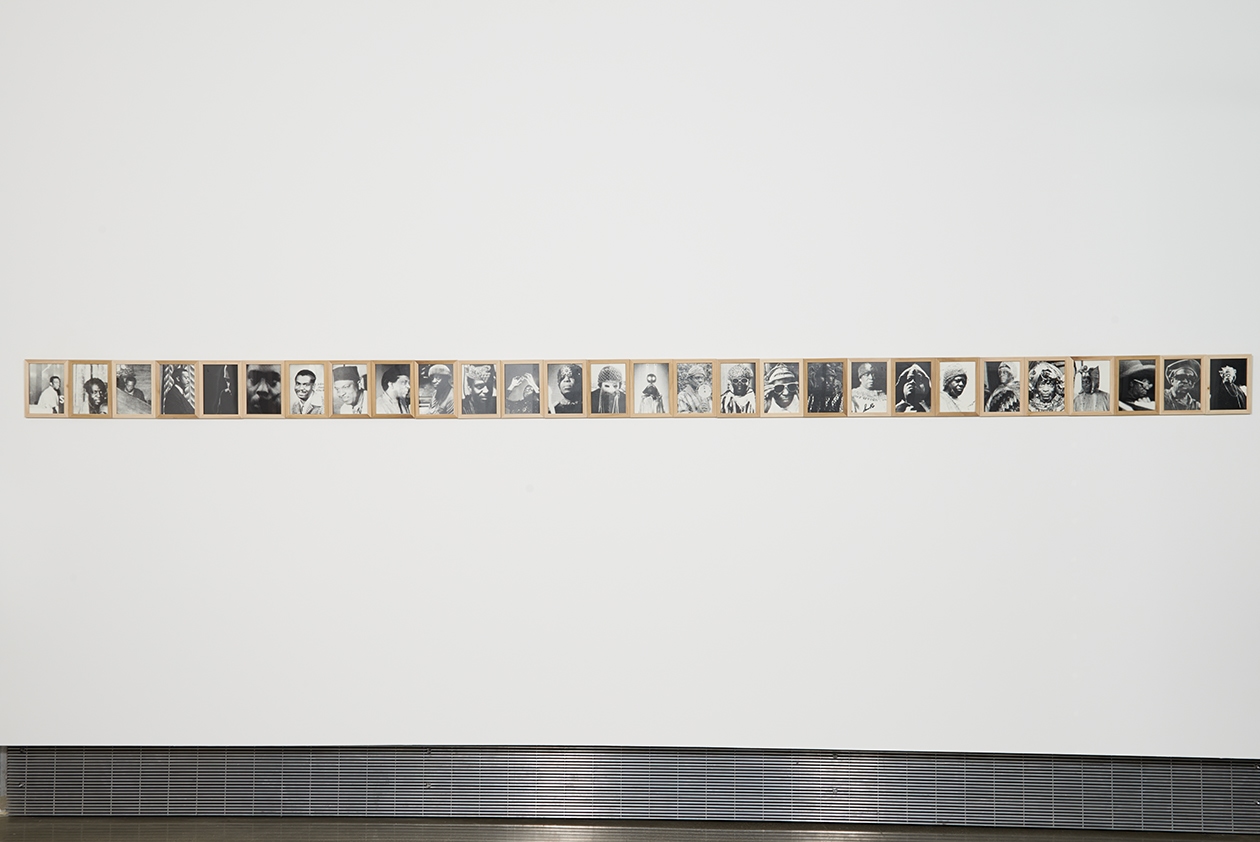
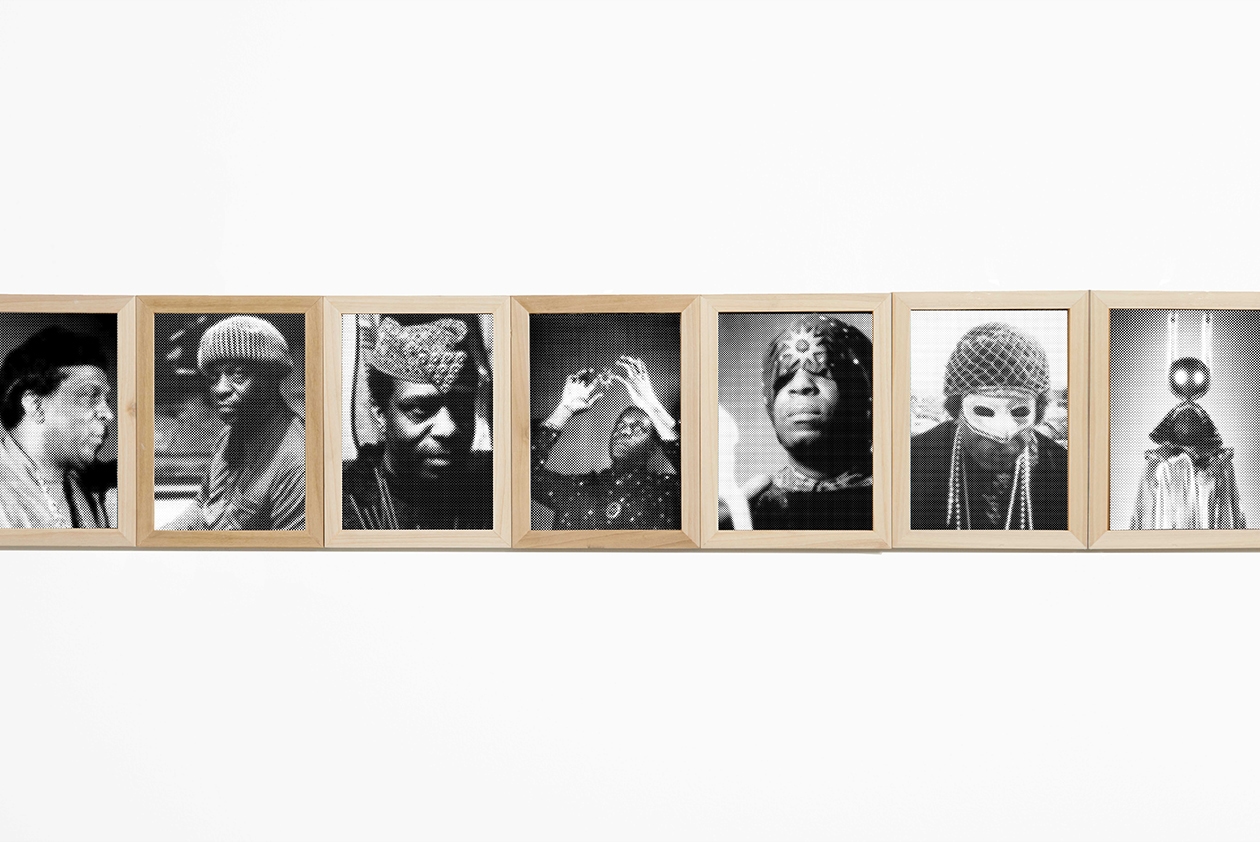
Vinyl record, metal, body harness, rope, speaker, iPod, owl, crow and red robin feathers framed, digital photographs turned into slides, 28 5" x 7" framed silk screen prints, ink on paper from 1950's 4-8"x 10", replica of electric chair, wood, leather, tv, electric cord, metal head plate, and buckles, dimension variable.